South Africa Shark & Marine Conservation Program

Location
Sodwana Bay, South Africa
Ideal Duration
2-6 weeks
Start of Program
1st or 3rd Monday of Each Month
About the Program
Marine Conservation Volunteer Program – Sodwana Bay, South Africa
Location: Marine Protected Area, iSimangaliso Wetland Park
UNESCO World Heritage Site
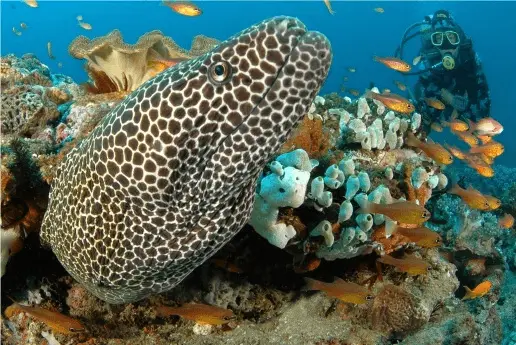
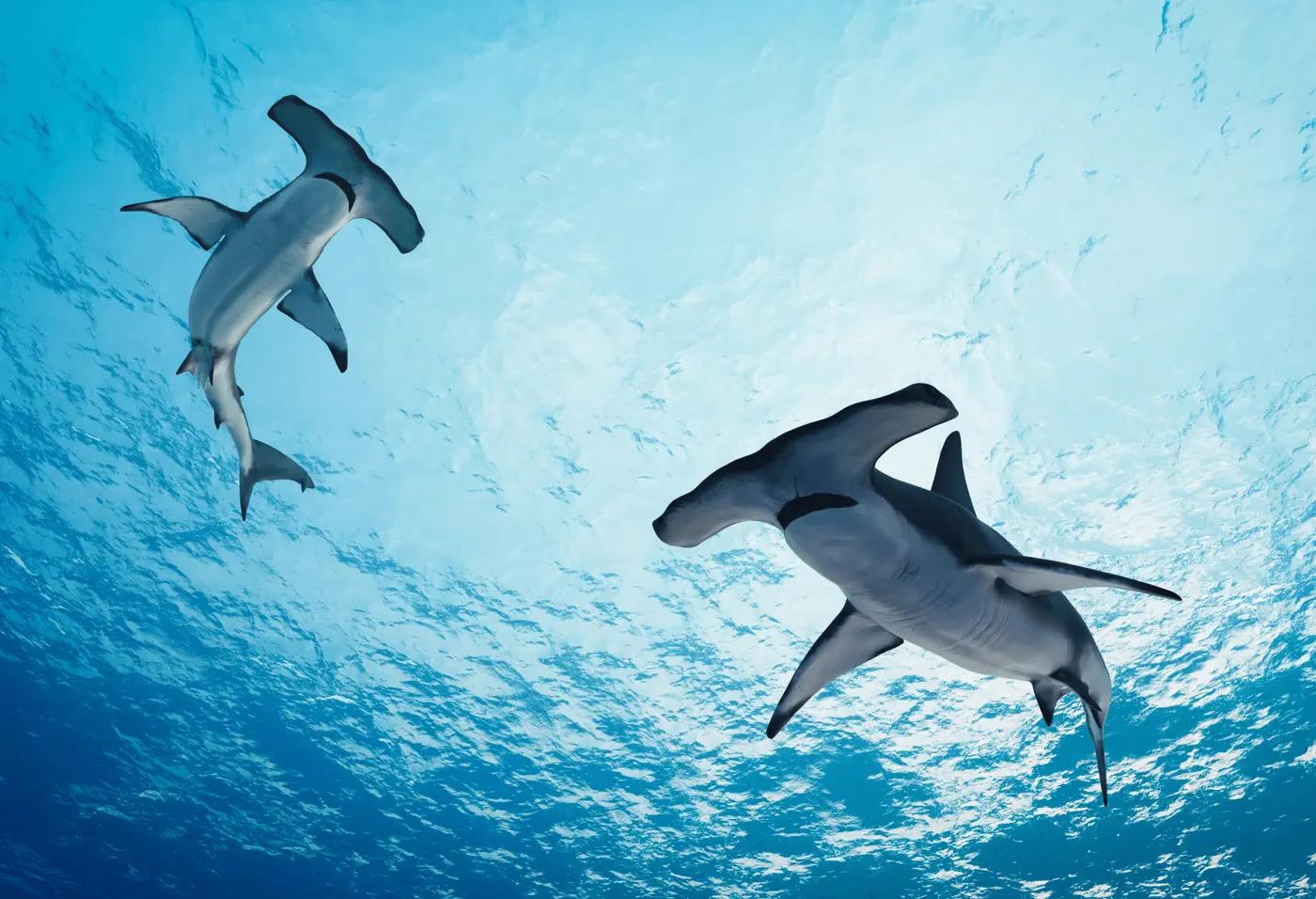
With over 20 years of experience in marine conservation, this program has partnered with universities and research institutions, contributing to published studies on marine ecosystems. The focus is on sharks, rays, reef fish, and coral reefs, offering volunteers practical, hands-on conservation experience.
What You Will Do
Each day blends fieldwork and learning, giving volunteers the chance to contribute directly to marine research while exploring the local environment. You’ll work alongside field staff, assisting with routine monitoring and the smooth operation of the research station.
Typical activities include:
Snorkelling to record marine life sightings
Coral health surveys using CoralWatch methods
Assisting with equipment preparation, station upkeep, and beach clean-ups
Informal sessions on reef ecology, conservation, and marine protected areas
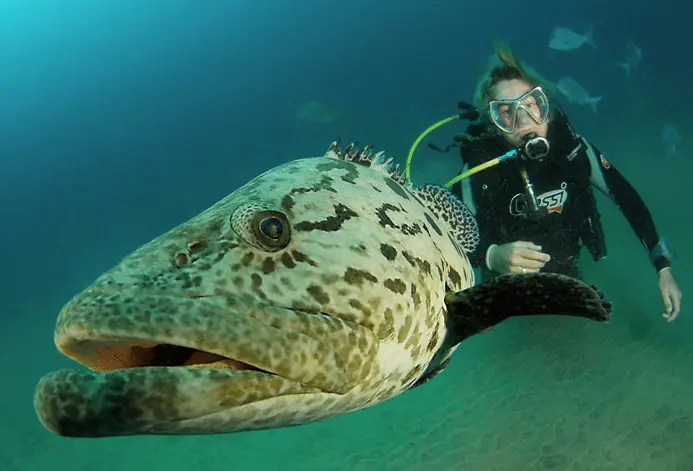
Up to 4 dives per week (weather permitting)
Learning Outcomes
Coral Health & Reef Cover: Identify coral health indicators through snorkel surveys and basic reef observations.
Marine Life Observation: Record and identify turtles, rays, and reef fish while improving species recognition and monitoring skills.
Reef Fish Surveys: Conduct visual fish counts using the Roving Diver Technique, gaining hands-on experience with practical marine monitoring.
Volunteer Experience
Volunteers receive:
Orientation and safety briefings
Basic seamanship and field procedures
Certification upon completion
Additional activities may include:
Reef ecology and monitoring techniques
Fish and marine life census & observations
Beach clean-ups and shore health checks
Marine Conservation Volunteer Program – Sodwana Bay, South Africa
Location: Marine Protected Area, iSimangaliso Wetland Park
UNESCO World Heritage Site
With over 20 years of experience in marine conservation, this program has partnered with universities and research institutions, contributing to published studies on marine ecosystems. The focus is on sharks, rays, reef fish, and coral reefs, offering volunteers practical, hands-on conservation experience.
What You Will Do
Each day blends fieldwork and learning, giving volunteers the chance to contribute directly to marine research while exploring the local environment. You’ll work alongside field staff, assisting with routine monitoring and the smooth operation of the research station.
Typical activities include:
Snorkelling to record marine life sightings
Coral health surveys using CoralWatch methods
Assisting with equipment preparation, station upkeep, and beach clean-ups
Informal sessions on reef ecology, conservation, and marine protected areas
Up to 4 dives per week (weather permitting)
Learning Outcomes
Coral Health & Reef Cover: Identify coral health indicators through snorkel surveys and basic reef observations.
Marine Life Observation: Record and identify turtles, rays, and reef fish while improving species recognition and monitoring skills.
Reef Fish Surveys: Conduct visual fish counts using the Roving Diver Technique, gaining hands-on experience with practical marine monitoring.
Volunteer Experience
Volunteers receive:
Orientation and safety briefings
Basic seamanship and field procedures
Certification upon completion
Additional activities may include:
Reef ecology and monitoring techniques
Fish and marine life census & observations
Beach clean-ups and shore health checks


Details
Program Details
Duration: 2–6 weeks (minimum 2 weeks for qualified divers)
Start Dates: 1st or 3rd Monday of each month
Requirements
18+ years old
Physically fit for snorkeling and beach activities
English proficiency sufficient for briefings
Travel insurance (DAN diving insurance recommended for divers)
Pricing
Duration | Price (USD) | Per Week |
|---|---|---|
2 Weeks | $2,250 | ~$1,125 |
4 Weeks | $3,170 | ~$792 |
Longer stays | Enquire | — |
Included:
1 Scuba Certification (Open Water or Advanced Open Water)
Up to 24 scuba surveys per month
All dive gear
Certificate of participation
24-hour support
Airport transfer (if landing on program starting dates)
Excluded:
Flights
Travel insurance / DAN insurance
Weekend activities (game reserves or out-of-town trips)
Meals (budget $50–$100 per week)
Accommodation includes a fully equipped kitchen for self-catering and regular supermarket trips
Restaurant across the road available for lunch and dinner
Local transport
What’s Included in Accommodation
Private room
WiFi access
Kitchen access (meals not included)
A Typical Day
Morning: Prepare boats and research equipment
Midday: Boat dive or snorkel survey
Lunch
Afternoon: Debrief, record research data, and complete workbooks
Evening / Community Engagement: Beach clean-ups, soccer, or volleyball with local communities
Program Details
Duration: 2–6 weeks (minimum 2 weeks for qualified divers)
Start Dates: 1st or 3rd Monday of each month
Requirements
18+ years old
Physically fit for snorkeling and beach activities
English proficiency sufficient for briefings
Travel insurance (DAN diving insurance recommended for divers)
Pricing
Duration | Price (USD) | Per Week |
|---|---|---|
2 Weeks | $2,250 | ~$1,125 |
4 Weeks | $3,170 | ~$792 |
Longer stays | Enquire | — |
Included:
1 Scuba Certification (Open Water or Advanced Open Water)
Up to 24 scuba surveys per month
All dive gear
Certificate of participation
24-hour support
Airport transfer (if landing on program starting dates)
Excluded:
Flights
Travel insurance / DAN insurance
Weekend activities (game reserves or out-of-town trips)
Meals (budget $50–$100 per week)
Accommodation includes a fully equipped kitchen for self-catering and regular supermarket trips
Restaurant across the road available for lunch and dinner
Local transport
What’s Included in Accommodation
Private room
WiFi access
Kitchen access (meals not included)
A Typical Day
Morning: Prepare boats and research equipment
Midday: Boat dive or snorkel survey
Lunch
Afternoon: Debrief, record research data, and complete workbooks
Evening / Community Engagement: Beach clean-ups, soccer, or volleyball with local communities


Gain hands-on conservation experience while making a real impact across Africa.
Projects designed for you
Join Our news letter
By submitting your email, you’ll be the first to know about upcoming updates for Impact Volunteer Africa. You can unsubscribe at any time.
All rights reserved for @impactvolunteersafrica.com

Gain hands-on conservation experience while making a real impact across Africa.
Projects designed for you
Join Our news letter
By submitting your email, you’ll be the first to know about upcoming updates for Impact Volunteer Africa. You can unsubscribe at any time.
All rights reserved for @impactvolunteersafrica.com