Baboon

Malawi (Sanctuary Placement & Research Placement)

Baboon

Location

Malawi

Ideal Duration

2-13 weeks

Start of Program

Mondays
We offer 2 programmes in Malawi - Volunteers can choose both / each
1) Sanctuary Placement
2) Research Placement

Sanctuary Placement

This hands-on wildlife rehabilitation program takes place at one of Malawi's leading rescue and rehabilitation centres, recognised for its ethical approach to animal care, rescue, and release. The centre works closely with Malawian and international conservation specialists and follows a strict hands-off philosophy to give animals the best possible chance of returning to the wild. In the past year alone, 94 animals were rescued and 48 were successfully rehabilitated and released.

Program overview

This program focuses on the rescue, rehabilitation, and long-term care of injured, orphaned, and confiscated wildlife. Volunteers work mainly with birds, reptiles, primates, hyenas, small carnivores, and other wildlife affected by injury, abandonment, illegal trade, or human-wildlife conflict.

What volunteers will do

Volunteers play an important role in the daily running of the wildlife centre and may assist with:

  • Preparing food and feeding schedules

  • Cleaning and maintaining enclosures

  • Creating enrichment activities for animals

  • Observing animal behaviour and welfare

  • Recording animal data and monitoring progress

  • Supporting orphan care when required

  • Assisting with general sanctuary maintenance and welfare support

This is a physically active program involving early mornings, outdoor work, and practical tasks in varying weather conditions.
Accommodation & meals

Volunteers stay at the wildlife centre in shared but comfortable accommodation with communal living areas, kitchen facilities, laundry areas, and outdoor social spaces. Wildlife is often present nearby, creating a truly immersive conservation experience.

Meals are provided Monday to Saturday, with volunteers preparing their own meals on Sundays using ingredients supplied by the project. Most dietary requirements can be accommodated with advance notice.

Program duration

  • Minimum stay: 2 weeks

  • Maximum stay: 12 weeks

  • Arrival day: Monday only

  • Airport transfers are arranged from the designated arrival airport

For volunteers wishing to combine this placement with the Liwonde National Park program, a minimum stay of 3 weeks is recommended.
What's included

  • Accommodation

  • Meals – chef cooks Sunday to Friday; volunteers cook on Saturdays with provided ingredients

  • Airport transfers

  • Orientation and training

  • Daily project supervision

  • Transport for project activities

  • Local SIM card

  • Volunteer T-shirt

What's not included

  • International and domestic flights

  • Visa costs

  • Vaccinations and medical requirements

  • Travel insurance

  • Personal expenses

  • Optional excursions

Requirements

  • Minimum age: 18 years

  • Basic English communication skills

  • No formal qualifications required

  • Travel insurance required before arrival

  • TB test (skin/Mantoux, blood test, or X-ray), rabies vaccination, and malaria prophylaxis are mandatory

Program costs

Duration

Cost

2 weeks

£1,500

3 weeks

£1,942

4 weeks

£2,445

6 weeks

£3,155

8 weeks

£3,769

10 weeks

£4,287

12 weeks

£4,744


We offer 2 programmes in Malawi - Volunteers can choose both / each
1) Sanctuary Placement
2) Research Placement

Sanctuary Placement

This hands-on wildlife rehabilitation program takes place at one of Malawi's leading rescue and rehabilitation centres, recognised for its ethical approach to animal care, rescue, and release. The centre works closely with Malawian and international conservation specialists and follows a strict hands-off philosophy to give animals the best possible chance of returning to the wild. In the past year alone, 94 animals were rescued and 48 were successfully rehabilitated and released.

Program overview

This program focuses on the rescue, rehabilitation, and long-term care of injured, orphaned, and confiscated wildlife. Volunteers work mainly with birds, reptiles, primates, hyenas, small carnivores, and other wildlife affected by injury, abandonment, illegal trade, or human-wildlife conflict.

What volunteers will do

Volunteers play an important role in the daily running of the wildlife centre and may assist with:

  • Preparing food and feeding schedules

  • Cleaning and maintaining enclosures

  • Creating enrichment activities for animals

  • Observing animal behaviour and welfare

  • Recording animal data and monitoring progress

  • Supporting orphan care when required

  • Assisting with general sanctuary maintenance and welfare support

This is a physically active program involving early mornings, outdoor work, and practical tasks in varying weather conditions.

Accommodation & meals

Volunteers stay at the wildlife centre in shared but comfortable accommodation with communal living areas, kitchen facilities, laundry areas, and outdoor social spaces. Wildlife is often present nearby, creating a truly immersive conservation experience.

Meals are provided Monday to Saturday, with volunteers preparing their own meals on Sundays using ingredients supplied by the project. Most dietary requirements can be accommodated with advance notice.

Program duration

  • Minimum stay: 2 weeks

  • Maximum stay: 12 weeks

  • Arrival day: Monday only

  • Airport transfers are arranged from the designated arrival airport

For volunteers wishing to combine this placement with the Liwonde National Park program, a minimum stay of 3 weeks is recommended.

What's included

  • Accommodation

  • Meals – chef cooks Sunday to Friday; volunteers cook on Saturdays with provided ingredients

  • Airport transfers

  • Orientation and training

  • Daily project supervision

  • Transport for project activities

  • Local SIM card

  • Volunteer T-shirt

What's not included

  • International and domestic flights

  • Visa costs

  • Vaccinations and medical requirements

  • Travel insurance

  • Personal expenses

  • Optional excursions

Requirements

  • Minimum age: 18 years

  • Basic English communication skills

  • No formal qualifications required

  • Travel insurance required before arrival

  • TB test (skin/Mantoux, blood test, or X-ray), rabies vaccination, and malaria prophylaxis are mandatory

Program costs

Duration

Cost

2 weeks

£1,500

3 weeks

£1,942

4 weeks

£2,445

6 weeks

£3,155

8 weeks

£3,769

10 weeks

£4,287

12 weeks

£4,744


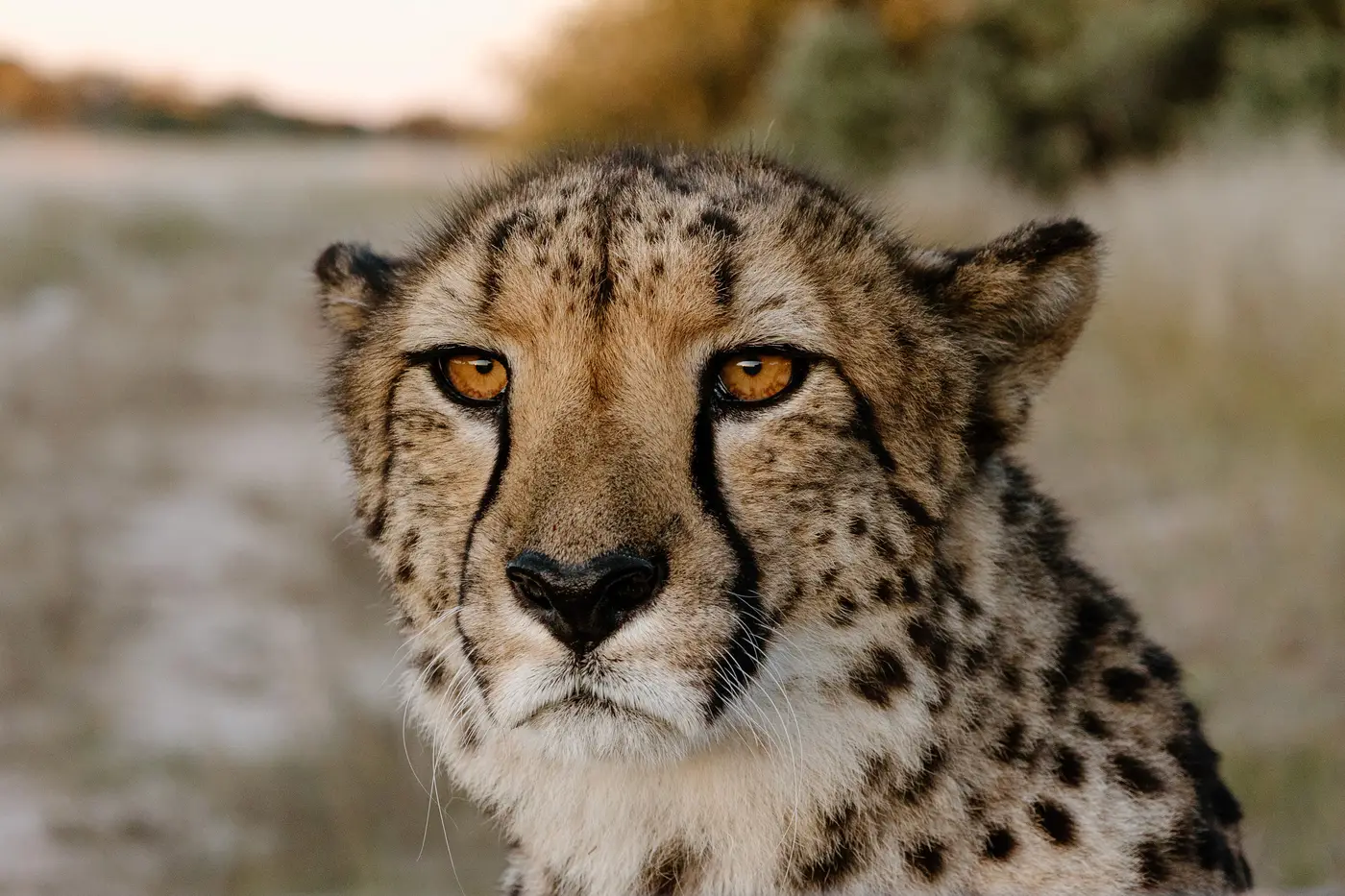
cheetah

Research Placement

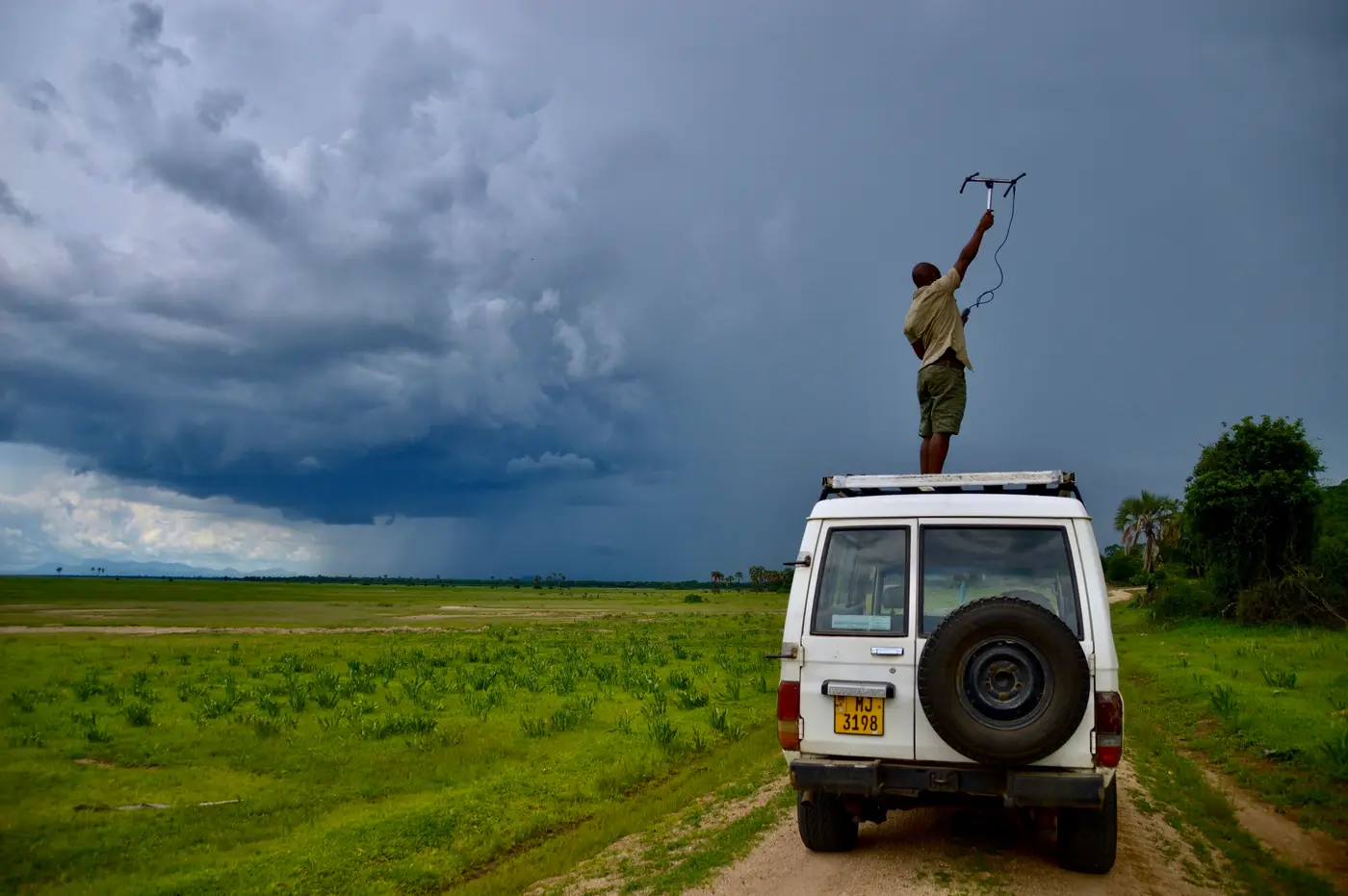
This field-based conservation program takes place in a remote national park environment and focuses on larger wildlife species, conservation research, and ecological monitoring. Volunteers support ongoing fieldwork while experiencing life in one of Malawi's most important protected areas. The program follows a strict hands-off approach, ensuring wildlife welfare remains the priority.

Program overview

This placement is designed for volunteers interested in wildlife tracking, ecological research, and conservation fieldwork. The focus is on monitoring larger species and collecting valuable data to support conservation efforts within the park.|

What volunteers will do

Volunteers may assist with:

  • Wildlife tracking and monitoring

  • Radio tracking using specialised equipment

  • Recording sightings and ecological data

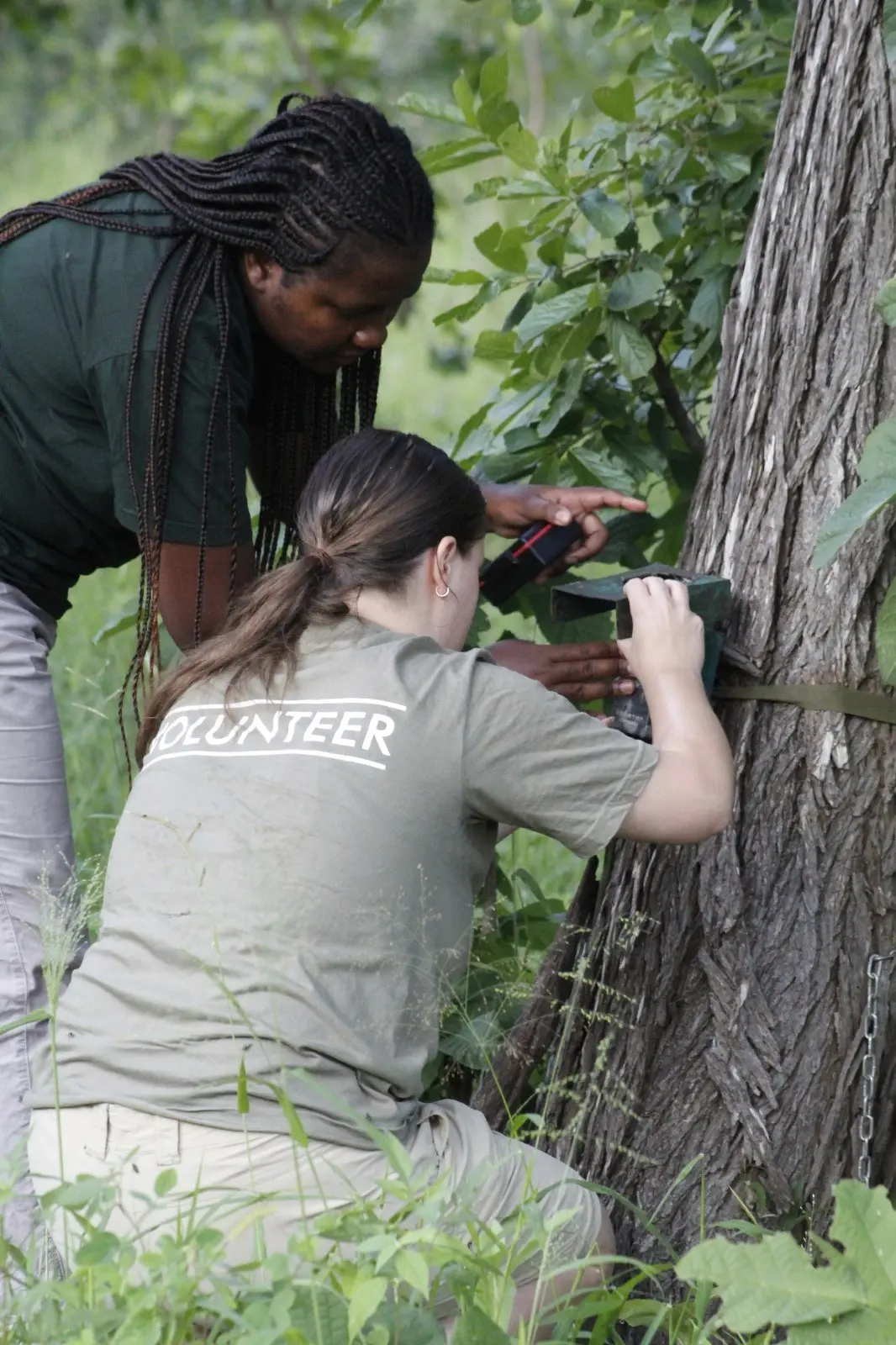
  • Monitoring camera traps

  • Wildlife identification and reporting

  • Supporting data entry and basic analysis

  • Behavioural observation of larger animals

Fieldwork takes place in remote environments and requires long periods outdoors, travel over uneven terrain, and extended time in vehicles.

Accommodation & meals

Accommodation in the national park is more basic and remote than at the wildlife centre, creating a more immersive wilderness experience. Volunteers stay in shared accommodation with communal living spaces, kitchen facilities, laundry areas, and outdoor social areas.

Meals are provided by a chef 2 days a week, while volunteers prepare their own meals during the rest of the week using ingredients supplied by the project. Due to the remote location, food variety may be more limited than in urban areas.

Program duration

  • Minimum stay: 2 weeks

  • Maximum stay: 12 weeks

  • Arrival day: Monday only

  • Airport transfers are arranged from the designated arrival airport

For volunteers wanting to combine this placement with the Wildlife Rescue & Rehabilitation Program, a minimum stay of 3 weeks is recommended.

What's included

  • Accommodation

  • Meals

  • Airport transfers

  • Orientation and training

  • Daily project supervision

  • Transport for project activities

  • Local SIM card

  • Volunteer T-shirt

What's not included

  • International and domestic flights

  • Visa costs

  • Vaccinations and medical requirements

  • Travel insurance

  • Personal expenses

  • Optional excursions

Requirements

  • Minimum age: 18 years

  • Basic English communication skills

  • No formal qualifications required

  • Travel insurance required before arrival

  • TB test (skin/Mantoux, blood test, or X-ray), rabies vaccination, and malaria prophylaxis are mandatory

Program costs

Duration

Cost

2 weeks

£1,500

3 weeks

£1,942

4 weeks

£2,445

6 weeks

£3,155

8 weeks

£3,769

10 weeks

£4,287

12 weeks

£4,744

Research Placement

This field-based conservation program takes place in a remote national park environment and focuses on larger wildlife species, conservation research, and ecological monitoring. Volunteers support ongoing fieldwork while experiencing life in one of Malawi's most important protected areas. The program follows a strict hands-off approach, ensuring wildlife welfare remains the priority.

Program overview

This placement is designed for volunteers interested in wildlife tracking, ecological research, and conservation fieldwork. The focus is on monitoring larger species and collecting valuable data to support conservation efforts within the park.|

What volunteers will do

Volunteers may assist with:

  • Wildlife tracking and monitoring

  • Radio tracking using specialised equipment

  • Recording sightings and ecological data

  • Monitoring camera traps

  • Wildlife identification and reporting

  • Supporting data entry and basic analysis

  • Behavioural observation of larger animals

Fieldwork takes place in remote environments and requires long periods outdoors, travel over uneven terrain, and extended time in vehicles.

Accommodation & meals

Accommodation in the national park is more basic and remote than at the wildlife centre, creating a more immersive wilderness experience. Volunteers stay in shared accommodation with communal living spaces, kitchen facilities, laundry areas, and outdoor social areas.

Meals are provided by a chef 2 days a week, while volunteers prepare their own meals during the rest of the week using ingredients supplied by the project. Due to the remote location, food variety may be more limited than in urban areas.

Program duration

  • Minimum stay: 2 weeks

  • Maximum stay: 12 weeks

  • Arrival day: Monday only

  • Airport transfers are arranged from the designated arrival airport

For volunteers wanting to combine this placement with the Wildlife Rescue & Rehabilitation Program, a minimum stay of 3 weeks is recommended.

What's included

  • Accommodation

  • Meals

  • Airport transfers

  • Orientation and training

  • Daily project supervision

  • Transport for project activities

  • Local SIM card

  • Volunteer T-shirt

What's not included

  • International and domestic flights

  • Visa costs

  • Vaccinations and medical requirements

  • Travel insurance

  • Personal expenses

  • Optional excursions

Requirements

  • Minimum age: 18 years

  • Basic English communication skills

  • No formal qualifications required

  • Travel insurance required before arrival

  • TB test (skin/Mantoux, blood test, or X-ray), rabies vaccination, and malaria prophylaxis are mandatory

Program costs

Duration

Cost

2 weeks

£1,500

3 weeks

£1,942

4 weeks

£2,445

6 weeks

£3,155

8 weeks

£3,769

10 weeks

£4,287

12 weeks

£4,744

setting up a trap

big Bird