
Set in the beautiful landscapes of South Africa's Western Cape, this hands-on program offers volunteers an authentic view of conservation work. You will join the day-to-day activities of a wildlife reserve and contribute to wildlife monitoring, research, habitat restoration, practical reserve management and selected community initiatives.
No conservation qualification or previous experience is required. Working alongside an experienced local team, you will develop practical field skills and gain a deeper understanding of how wildlife, natural habitats and neighbouring communities are connected.
Conservation Activities
Depending on the season, current projects and the reserve's priorities, activities may include:
- Tracking and monitoring free-roaming wildlife
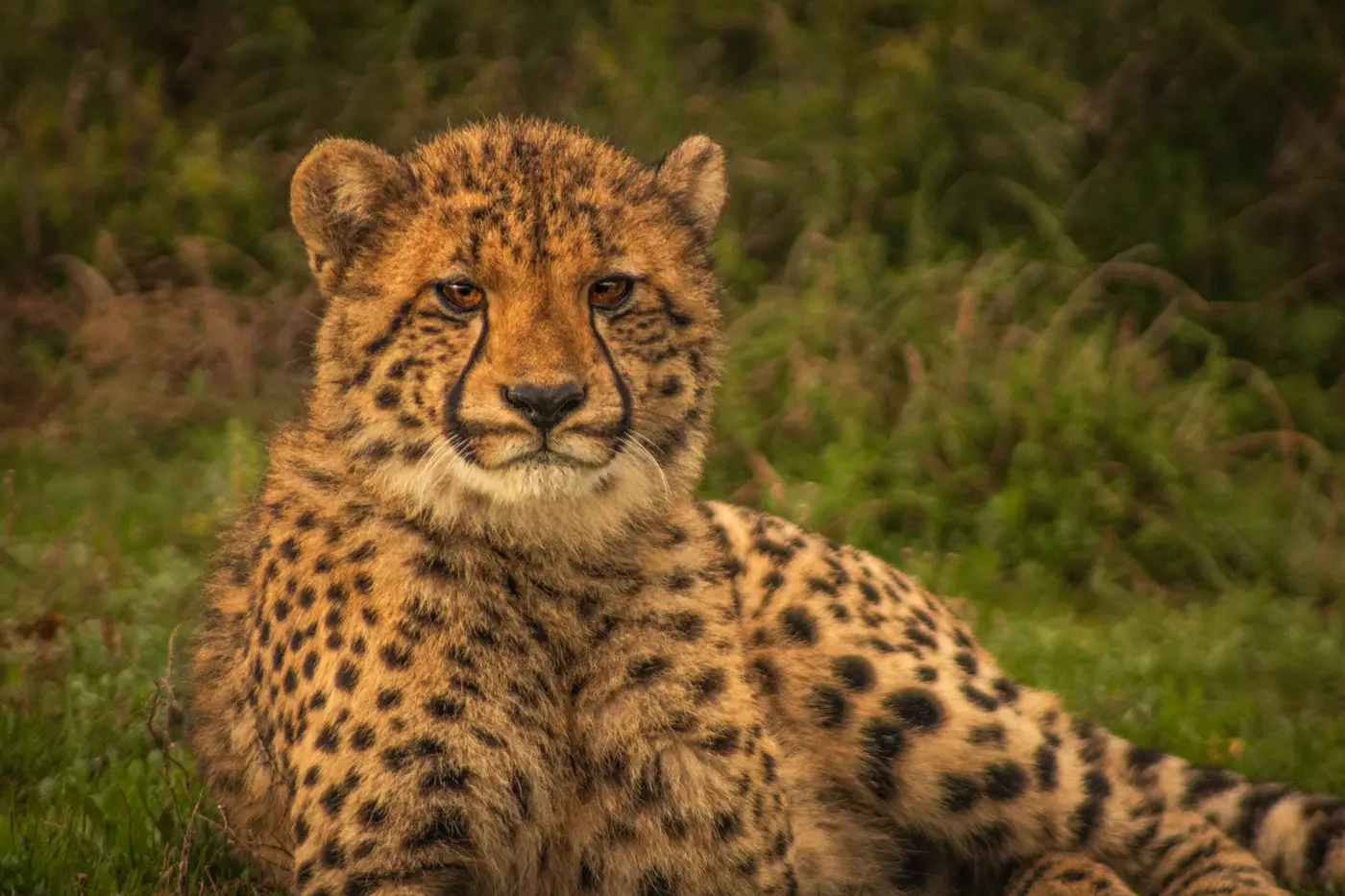
- Assisting with cheetah monitoring using telemetry and other tracking equipment
- Observing habituated wild meerkat families and recording behaviour
- Conducting wildlife identification surveys and game counts
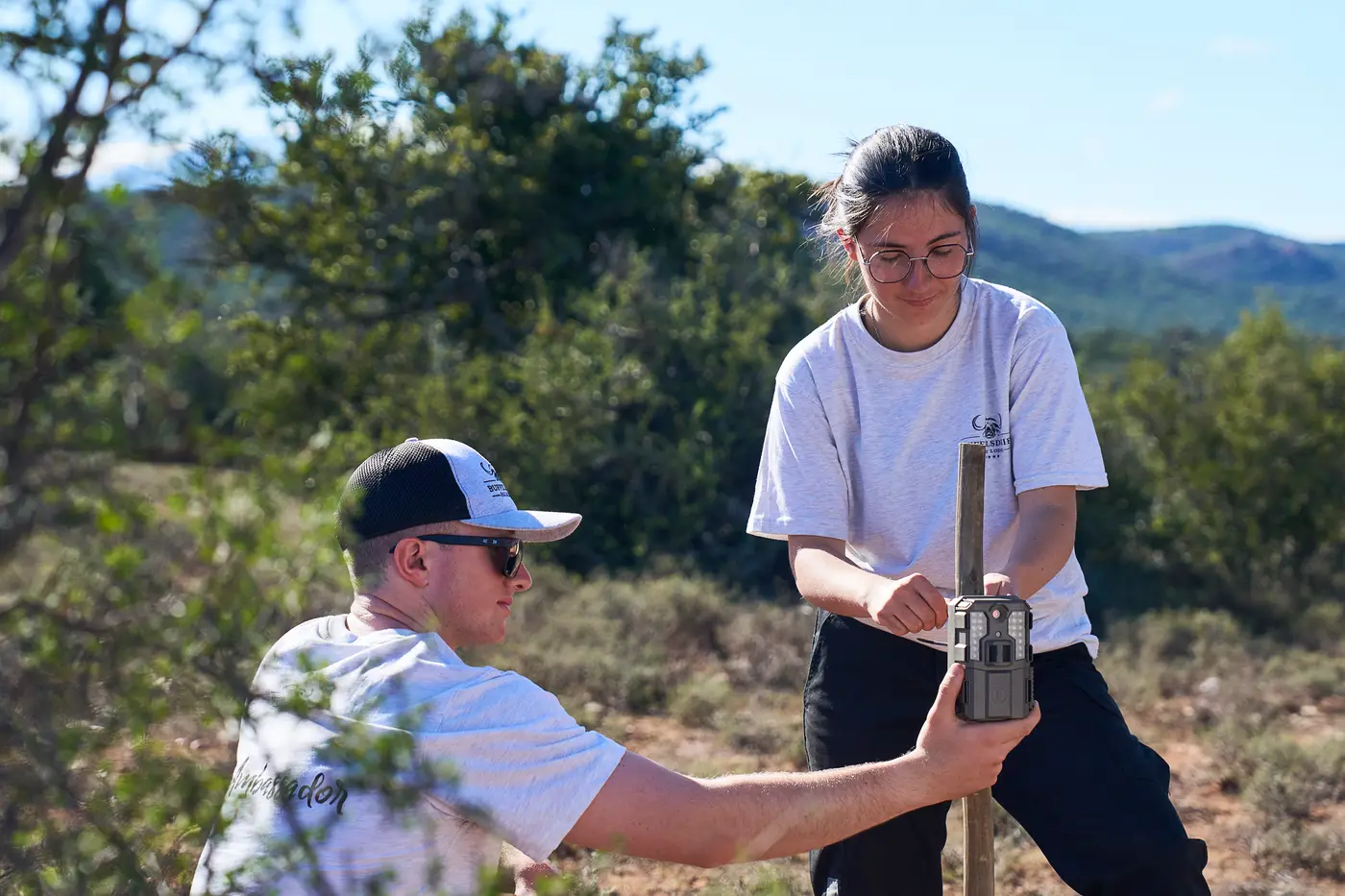
- Setting, checking and recording data from research camera traps
- Collecting and recording conservation data
- Supporting honeybee research and the seed-ball project
- Restoring indigenous vegetation and natural habitats
- Maintaining fences, water points and conservation areas
- Supporting human-wildlife conflict mitigation projects
- Helping with selected wildlife-care tasks, such as food preparation and enclosure upkeep
- Supporting local community and environmental education initiatives
- Assisting with scheduled wildlife management activities
This is an active conservation environment, so schedules change in response to wildlife movements, weather, research priorities and operational needs. Specific activities and wildlife sightings cannot be guaranteed.
Skills and Experience
Through practical participation, volunteers may gain experience in:
- Wildlife tracking, identification and spoor recognition
- Telemetry, handheld GPS equipment and camera-trap monitoring
- Animal behaviour observation and conservation data collection
- Habitat and reserve management
- The principles of human-wildlife conflict mitigation
- Teamwork, adaptability and practical fieldwork
Program Details
- Duration: 2 weeks or longer
- Start dates: Every Tuesday
- Availability: Year-round
- Location: Western Cape, South Africa
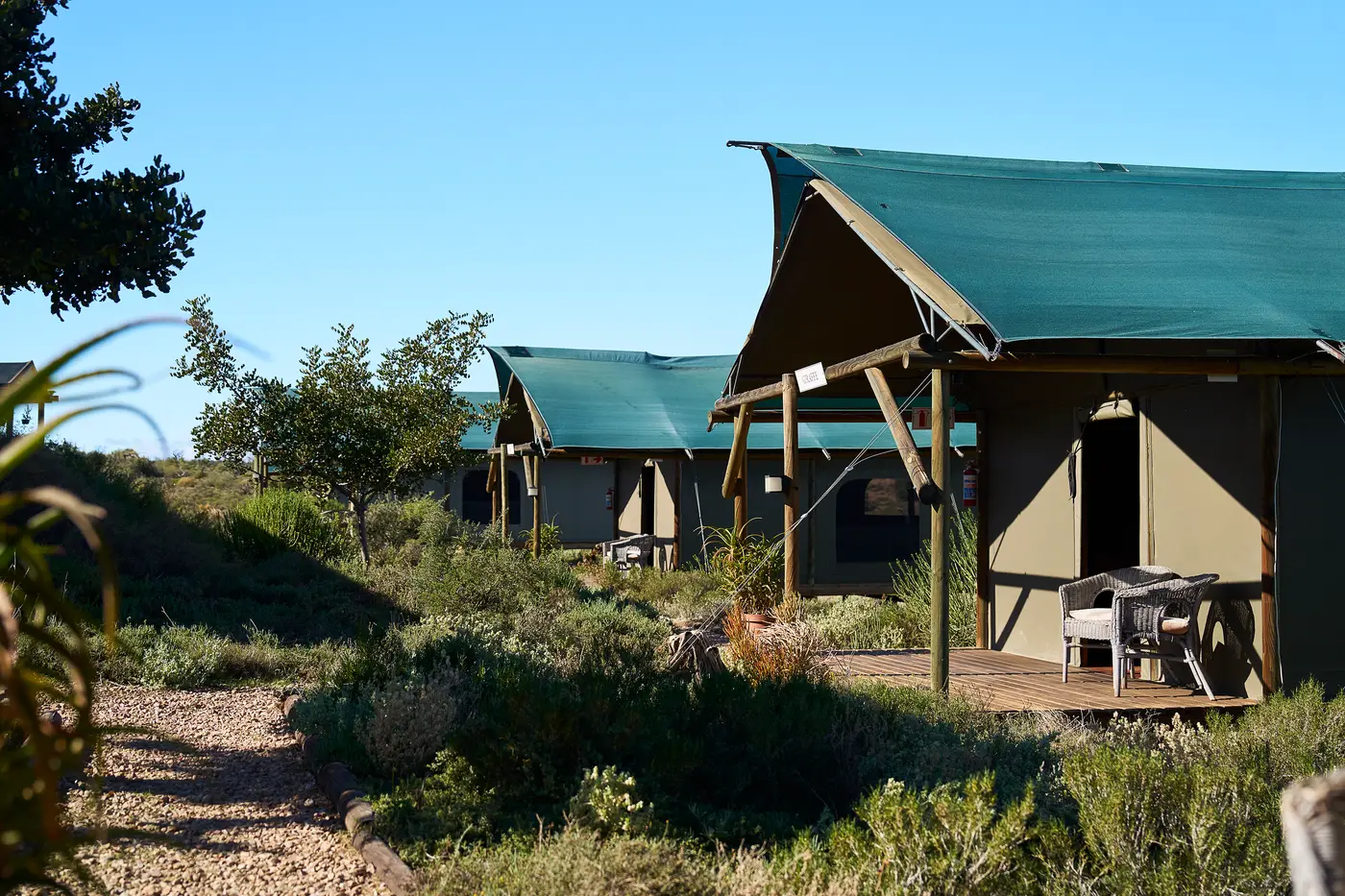
- Accommodation: Shared safari-style volunteer tents
- Meals: Breakfast, lunch and dinner included
- Experience: No previous conservation experience required
Requirements
- Be at least 18 years old
- Be able to communicate in English
- Have a reasonable level of physical fitness
- Be comfortable working outdoors and taking part in practical, sometimes physical tasks
- Be flexible, adaptable and able to work as part of a team
- Hold a valid passport and meet South African entry requirements
- Have comprehensive travel insurance
- Provide police clearance documentation if requested before arrival
The program is best suited to enthusiastic volunteers with a genuine interest in conservation. Early starts, physical work, changing weather and getting dirty are all part of the experience.
What's Included
- Shared volunteer accommodation, bedding and Wi-Fi at the camp
- Breakfast, lunch and dinner
- Scheduled return airport transfers on designated arrival and departure days
- Arrival orientation and guidance from the on-site conservation team
- Participation in scheduled conservation projects and activities
- Volunteer uniform
- Pre-departure and in-country support from Impact Volunteers Africa
What's Not Included
- International and domestic flights
- Visas and entry documentation
- Travel insurance and personal expenses
- Optional excursions, leisure activities and other free-time costs
- Transfers outside the designated schedule
- Impact Volunteers Africa registration fee
Accommodation & Daily Life
Volunteers stay in a dedicated camp within the conservation area, offering a communal living experience surrounded by nature. Comfortable safari-style tents usually accommodate up to four volunteers of the same gender. Each tent has single beds, bedding, a private en-suite bathroom, hot water, electricity, power points and Wi-Fi access. A shared area provides space to eat, relax and socialise after the day's activities.
Three meals a day are included. Volunteers often arrive independently and soon become part of a small international community brought together by a shared interest in conservation.
A Typical Day
Although each day varies, the general rhythm may look like this:
- Morning: Breakfast and a team briefing, followed by wildlife monitoring, tracking, research or another scheduled field activity.
- Midday: Lunch and a break before the afternoon program.
- Afternoon: Habitat restoration, camera-trap work, wildlife observation, reserve maintenance, data collection or a community-focused project.
- Late afternoon: Return to camp, complete any required records or equipment tasks, and prepare for the next day.
- Evening: Dinner and time to relax with the other volunteers.
Flexibility is essential: conservation work follows the needs of the wildlife and environment rather than a fixed tourist itinerary.
Wildlife Monitoring and Research
Learn how conservation teams monitor free-roaming wildlife through telemetry, GPS, spoor identification, camera traps and direct observation. Cheetah monitoring may provide insight into how individual animals are located and observed, while meerkat research may involve recording the behaviour of habituated wild families. These animals remain wild; the focus is observation and responsible data collection, not handling or petting.
Habitat and Reserve Management
Wildlife conservation also depends on healthy habitats and well-managed reserves. Volunteers may support indigenous vegetation restoration, erosion management, fence and water-system checks, and other practical tasks that help create a safe, sustainable environment for wildlife.
Community Initiatives
Effective conservation includes the people who live alongside protected areas. Where projects are available, volunteers may assist with community upliftment, environmental education or conservation-awareness activities that strengthen the relationship between people and the natural environment.
Free Time
Scheduled time off offers opportunities to relax with fellow volunteers and explore more of the Western Cape's landscapes, mountains, coastline and wildlife. Optional excursions and activities may be arranged locally, subject to availability and at the volunteer's own cost, allowing you to make your free time as active or relaxed as you prefer.
Program costs
| Duration | Price (USD) | Per Week |
|---|---|---|
| 2 Weeks | On enquiry | On enquiry |
| 3 Weeks | On enquiry | On enquiry |
| 4 Weeks | On enquiry | On enquiry |
| Longer stays | Enquire | — |
Prices per volunteer. Flights, visas and travel insurance are not included.
Check availability
Tell us roughly when you'd like to go and we'll confirm what's open on Western Cape Wildlife & Habitat Conservation Program. No payment and no application needed yet.
★★★★★
“It's not just volunteering, it's meaningful work with proper guidance and structure.”