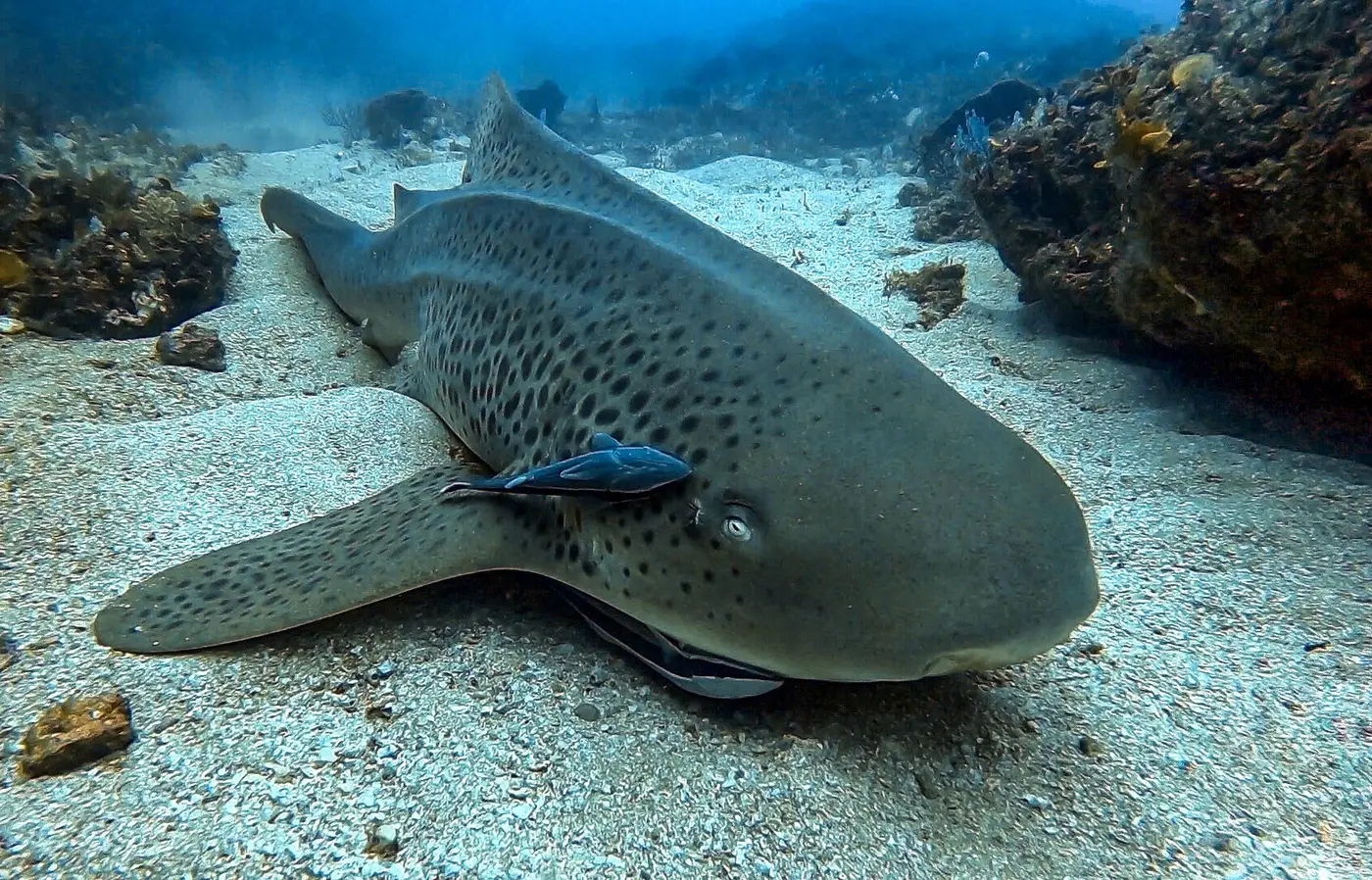
Leopard shark - Nakia

Ocean Research & Marine Conservation Program

Leopard shark - Nakia

Location

Mozambique

Ideal Duration

2 weeks

Start of Program

10–12 dives per week (weather dependent)
Marine Conservation Volunteering – Southern Mozambique

Join a hands-on marine conservation programme based along one of the most remote and biodiverse coastlines in southern Mozambique.

This region is known for healthy reefs, diverse marine life, and some of the highest sightings of manta rays in the country.

Volunteers work alongside marine biologists and researchers, contributing to conservation projects focused on:

  • Manta rays

  • Sharks

  • Humpback whales

  • Sea turtles

  • Seahorses

  • Reef fish

  • Nudibranchs

  • Coral health

This programme is ideal for those interested in marine conservation, diving, and gaining real-world field experience.

What Volunteers Do

Volunteers take part in both in-water and land-based research:

In-Water Activities

  • Underwater photo identification (manta rays, sharks, turtles)

  • Assisting with telemetry and underwater ultrasounding

  • Humpback whale monitoring and fluke identification

  • Nudibranch searches and cataloguing

  • Reef fish surveys and coral monitoring

  • Turtle monitoring (nesting season)

  • Seahorse monitoring

  • Shark and ray identification

  • BRUV deployment, retrieval, and analysis

Land-Based & Research Support

  • Environmental data collection

  • Research preparation and organisation

  • Data entry and dive logging

  • GPS and sightings recording

  • Uploading identification images

  • Managing underwater footage

  • Supporting dive centre operations

  • Beach clean-ups and outreach

Volunteers are involved in the full research cycle:

  • Preparation

  • Data collection

  • Analysis and logging

Marine Life You May Encounter

Depending on season:

  • Manta rays

  • Leopard sharks

  • Bull sharks

  • Whitetip reef sharks

  • Wedgefish & guitarfish

  • Eagle rays

  • Stingrays (8+ species)

  • Humpback whales

  • Sea turtles (Loggerhead, Green, Hawksbill, Leatherback)

  • Seahorses

  • Nudibranchs (200+ species)

  • Game fish (Kingfish, Tuna, Barracuda, Sailfish, Marlin)

  • Diverse reef fish populations

Seasonality:

  • Manta rays: year-round (peak July–November)

  • Humpback whales: June–October

Marine Conservation Volunteering – Southern Mozambique

Join a hands-on marine conservation programme based along one of the most remote and biodiverse coastlines in southern Mozambique.

This region is known for healthy reefs, diverse marine life, and some of the highest sightings of manta rays in the country.

Volunteers work alongside marine biologists and researchers, contributing to conservation projects focused on:

  • Manta rays

  • Sharks

  • Humpback whales

  • Sea turtles

  • Seahorses

  • Reef fish

  • Nudibranchs

  • Coral health

This programme is ideal for those interested in marine conservation, diving, and gaining real-world field experience.

What Volunteers Do

Volunteers take part in both in-water and land-based research:

In-Water Activities

  • Underwater photo identification (manta rays, sharks, turtles)

  • Assisting with telemetry and underwater ultrasounding

  • Humpback whale monitoring and fluke identification

  • Nudibranch searches and cataloguing

  • Reef fish surveys and coral monitoring

  • Turtle monitoring (nesting season)

  • Seahorse monitoring

  • Shark and ray identification

  • BRUV deployment, retrieval, and analysis

Land-Based & Research Support

  • Environmental data collection

  • Research preparation and organisation

  • Data entry and dive logging

  • GPS and sightings recording

  • Uploading identification images

  • Managing underwater footage

  • Supporting dive centre operations

  • Beach clean-ups and outreach

Volunteers are involved in the full research cycle:

  • Preparation

  • Data collection

  • Analysis and logging

Marine Life You May Encounter

Depending on season:

  • Manta rays

  • Leopard sharks

  • Bull sharks

  • Whitetip reef sharks

  • Wedgefish & guitarfish

  • Eagle rays

  • Stingrays (8+ species)

  • Humpback whales

  • Sea turtles (Loggerhead, Green, Hawksbill, Leatherback)

  • Seahorses

  • Nudibranchs (200+ species)

  • Game fish (Kingfish, Tuna, Barracuda, Sailfish, Marlin)

  • Diverse reef fish populations

Seasonality:

  • Manta rays: year-round (peak July–November)

  • Humpback whales: June–October

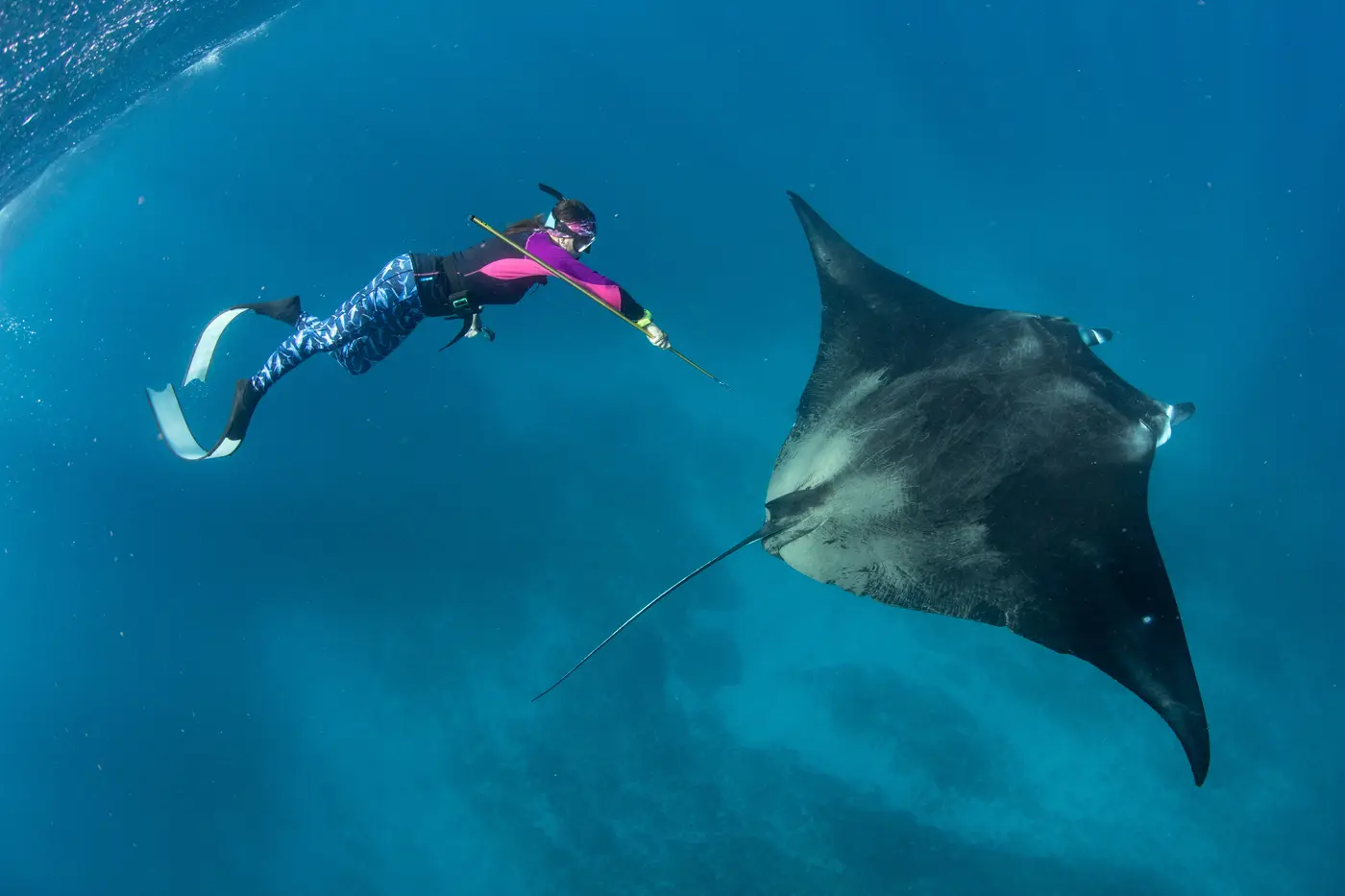
tagging a manta ray - ryan daly

Ryan Daly

Diving & Requirements
  • Minimum age: 18

  • Recommended: Advanced Open Water diver

  • Courses available on-site if needed

Key Info:

  • Minimum stay: 2 weeks

  • Recommended stay: 1 month+

  • 10–12 dives per week (weather dependent)

  • ±25 dives per month

Required:

  • Diving insurance

  • Travel insurance (recommended)

No prior marine biology experience required.
Training & Learning

Volunteers receive structured training and ongoing support.

Training Includes:

  • Species identification

  • Survey methods

  • Data collection & logging

  • Marine biology lectures

  • Manta ray identification

  • Telemetry & ultrasounding

  • Whale fluke identification

  • Coral reef monitoring

  • Research diving techniques

  • Conservation communication

First 1–2 weeks focus on learning before independent work.

Accommodation & Daily Life

Accommodation is simple and sustainability-focused.

Options:

  • Shared research camp

  • Seafront shared accommodation

  • Private ocean-view accommodation

Living Setup:

  • Shared accommodation available

  • Self-catering kitchens

  • Group cooking common

  • Wi-Fi at research station

  • Shops visited every 2 weeks

Estimated food cost:

  • ±$80 USD/month

Location:
  • Walking distance to beach and dive centre

What’s Included

  • Research dives

  • Dive equipment hire

  • Accommodation

  • Transfers (Vilanculos ↔ project site on set dates)

  • Marine biologist training & support

  • Lectures and research guidance

  • Selected excursions

  • Wi-Fi

  • Pre-departure support

  • Emergency local support

What’s Not Included

  • International flights

  • Visa costs

  • Meals (depends on package)

  • Travel insurance

  • Diving insurance

  • Dive certifications

  • Transfers outside set dates

Accommodation & Pricing (USD)

Duration

Base Camp (Shared)

Seafront Shared (En-suite)

Ocean Suite (Private, Half-board)

2 Weeks

$1,950

$2,200

$2,450

4 Weeks

$3,295

$3,790

$4,240

6 Weeks

$4,195

$5,290

$5,960

8 Weeks

$4,995

$6,230

$7,130

10 Weeks

$5,500

$7,190

$8,310

12 Weeks

$5,995

$7,760

$8,995

Best Time to Join
Programme runs year-round.

Dry Season (May–October)

  • Best for diving & sightings

  • Cooler water (21–22°C)

  • Reduced visibility (greener water)

Wet Season (Nov–April)

  • Warm water (27–29°C)

  • Clear blue water

  • Possible cyclones affecting conditions

Why This Programme Matters

Volunteers contribute directly to long-term marine conservation in Mozambique.

Impact Areas:

  • Species monitoring

  • Research and data collection

  • Conservation planning

  • Habitat protection

Participants gain:

  • Real field experience

  • Practical research skills

  • Direct conservation impact

Diving & Requirements
  • Minimum age: 18

  • Recommended: Advanced Open Water diver

  • Courses available on-site if needed

Key Info:

  • Minimum stay: 2 weeks

  • Recommended stay: 1 month+

  • 10–12 dives per week (weather dependent)

  • ±25 dives per month

Required:

  • Diving insurance

  • Travel insurance (recommended)

No prior marine biology experience required.

Training & Learning

Volunteers receive structured training and ongoing support.

Training Includes:

  • Species identification

  • Survey methods

  • Data collection & logging

  • Marine biology lectures

  • Manta ray identification

  • Telemetry & ultrasounding

  • Whale fluke identification

  • Coral reef monitoring

  • Research diving techniques

  • Conservation communication

First 1–2 weeks focus on learning before independent work.

Accommodation & Daily Life

Accommodation is simple and sustainability-focused.

Options:

  • Shared research camp

  • Seafront shared accommodation

  • Private ocean-view accommodation

Living Setup:

  • Shared accommodation available

  • Self-catering kitchens

  • Group cooking common

  • Wi-Fi at research station

  • Shops visited every 2 weeks

Estimated food cost:

  • ±$80 USD/month

Location:
  • Walking distance to beach and dive centre

What’s Included

  • Research dives

  • Dive equipment hire

  • Accommodation

  • Transfers (Vilanculos ↔ project site on set dates)

  • Marine biologist training & support

  • Lectures and research guidance

  • Selected excursions

  • Wi-Fi

  • Pre-departure support

  • Emergency local support

What’s Not Included

  • International flights

  • Visa costs

  • Meals (depends on package)

  • Travel insurance

  • Diving insurance

  • Dive certifications

  • Transfers outside set dates

Accommodation & Pricing (USD)

Duration

Base Camp (Shared)

Seafront Shared (En-suite)

Ocean Suite (Private, Half-board)

2 Weeks

$1,950

$2,200

$2,450

4 Weeks

$3,295

$3,790

$4,240

6 Weeks

$4,195

$5,290

$5,960

8 Weeks

$4,995

$6,230

$7,130

10 Weeks

$5,500

$7,190

$8,310

12 Weeks

$5,995

$7,760

$8,995

Best Time to Join
Programme runs year-round.

Dry Season (May–October)

  • Best for diving & sightings

  • Cooler water (21–22°C)

  • Reduced visibility (greener water)

Wet Season (Nov–April)

  • Warm water (27–29°C)

  • Clear blue water

  • Possible cyclones affecting conditions

Why This Programme Matters

Volunteers contribute directly to long-term marine conservation in Mozambique.

Impact Areas:

  • Species monitoring

  • Research and data collection

  • Conservation planning

  • Habitat protection

Participants gain:

  • Real field experience

  • Practical research skills

  • Direct conservation impact

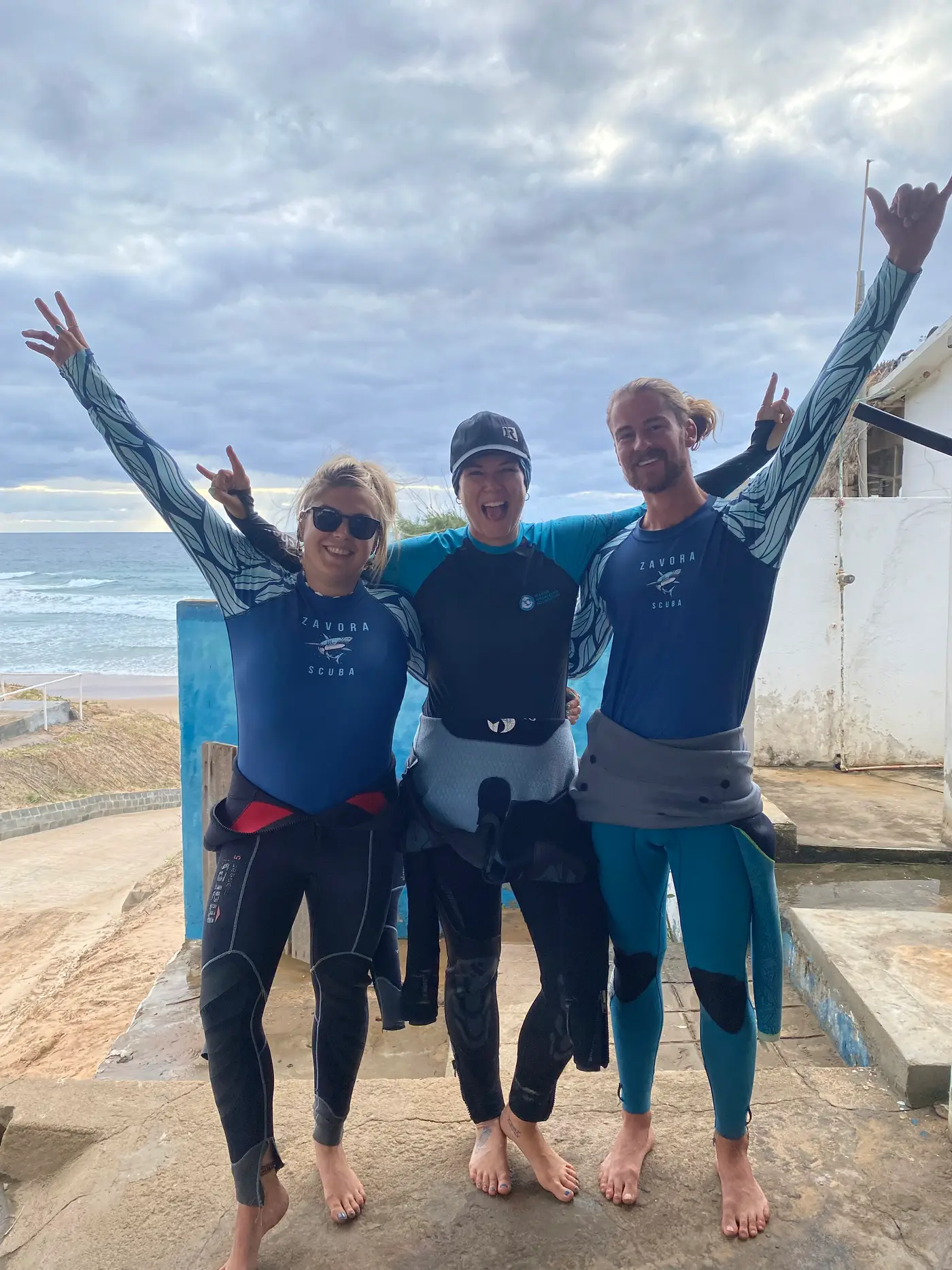
MAR team

Nakia Cullian

fish - Nakia Cullian

Nakia Cullian